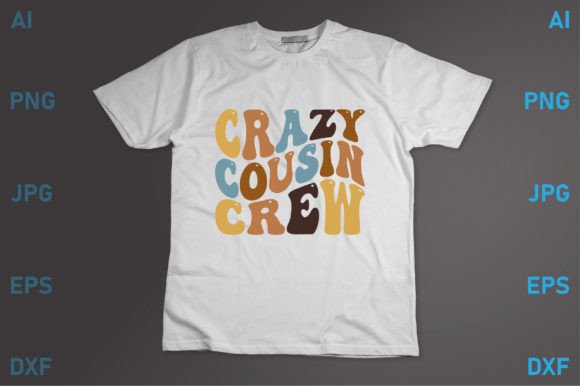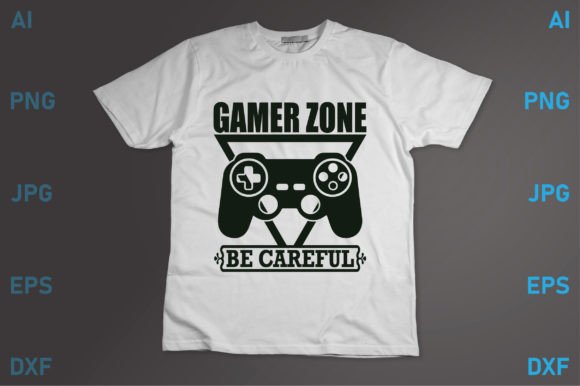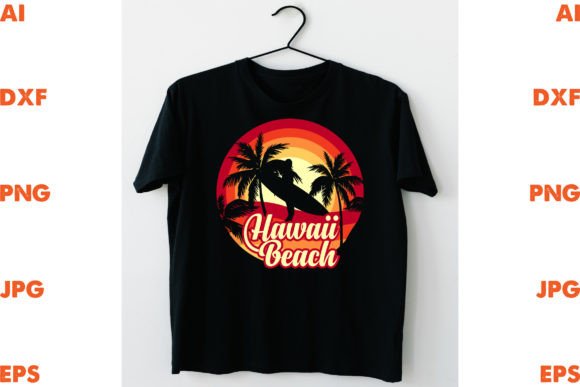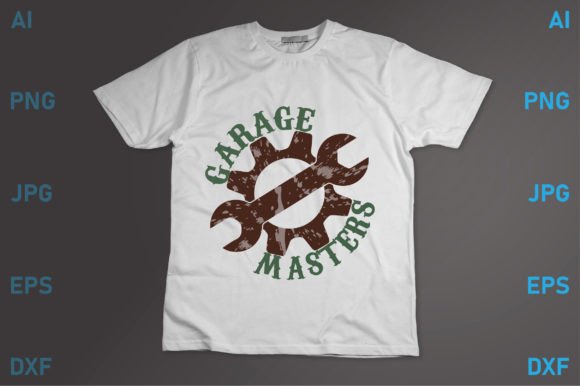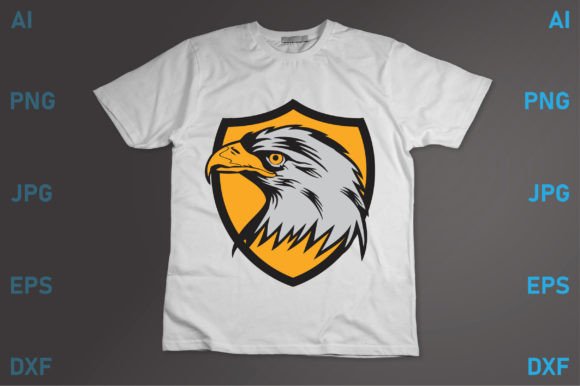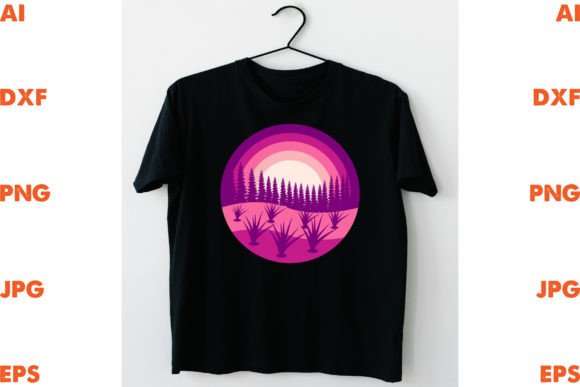
Graphics for T-Shirt Designs
As a brand designer with years of experience, I’ve evaluated countless graphic design assets. One that stands out is Design—a versatile and well-crafted asset that can elevate small business branding, product packaging, and promotional materials. When I first saw Design, it immediately caught my eye with its clean lines and balanced composition. It feels modern yet approachable, making it ideal for a wide range of local businesses, from cafes to handmade shops.
The Mood and Personality of Design
Design exudes a friendly and professional vibe. Its layout suggests a brand that values clarity and style without being overly complex. This makes it perfect for small businesses looking to establish a strong visual identity while maintaining an authentic feel. Whether it’s a bakery, a skincare line, or a boutique store, Design offers a foundation that can be adapted to various brand personalities.
The design’s size—18 feet by 15 feet—makes it suitable for large-scale applications like banners, posters, and signage. However, its scalability also means it can be resized for smaller uses such as product labels, stickers, and social media graphics. The ability to edit all elements easily adds to its appeal, allowing for customization without sacrificing quality.
Real-World Applications for Local Businesses
Design can be used in a variety of real-world scenarios for small business branding. For instance, when working on a bakery project, I used Design as a backdrop for their website banner, which helped create a cohesive look across all digital touchpoints. It also worked well as a product label for their custom-designed pastries, giving the packaging a polished and professional appearance.
In another project, I integrated Design into a coffee shop’s promotional materials. The asset served as a hero graphic for their seasonal menu, drawing attention while maintaining a clean and inviting aesthetic. It also doubled as a printable design for thank-you cards, reinforcing the brand’s message of appreciation and care.
For a handmade soap business, I used Design as a background for their product mockups. The design’s subtle patterns added visual interest without overwhelming the product itself. It also worked well as a decorative element on hang tags, enhancing the overall presentation and customer experience.
Supporting Business Presentation
One of the key benefits of Design is its ability to strengthen a brand’s first impression. A well-designed graphic can make a lasting impact, especially in competitive markets where visual appeal plays a critical role. When used effectively, Design helps create a stronger product recognition, clearer visual hierarchy, and more consistent brand identity across all materials.
It also contributes to improved customer trust. A professionally designed asset signals to customers that the business is attentive to detail and committed to quality. This is especially important for small businesses trying to build credibility in their local community.
Design enhances the shelf appeal of products, making them stand out in crowded retail environments. Whether it’s a food label, a packaging accent, or a promotional banner, the asset adds a level of sophistication that can differentiate a product from its competitors.
Where Design Works Best
Design excels in applications that require a bold yet refined visual presence. It works particularly well as a product label, where its size and structure allow for clear communication of brand messaging. As a packaging accent, it adds a decorative touch that elevates the overall look of the product.
It also shines as a hero graphic for marketing campaigns, especially those with a seasonal or event-based theme. For boutique visuals, Design provides a cohesive and stylish backdrop that aligns with the brand’s aesthetic. In social media campaign graphics, it serves as a strong visual anchor that draws attention and reinforces brand consistency.
Where to Use Design Carefully
While Design is highly versatile, there are certain situations where it may not be the best fit. For formal corporate branding, the design might feel too casual or decorative. In very small labels, the details could become lost, reducing its effectiveness.
On crowded product packaging or ingredient-heavy layouts, Design may compete with essential information. Similarly, in areas with low-contrast backgrounds or legal text, it could compromise readability. For luxury minimalist brands, the design’s decorative elements might not align with the desired aesthetic.
Practical Designer Notes
Before finalizing any design asset for client work, I always test it on real packaging mockups. This helps ensure that the graphic looks good in physical form and meets the client’s expectations. I also check how it appears in black and white, as this can reveal hidden issues with contrast and legibility.
Testing Design on small labels is crucial, as it can highlight problems that aren’t visible at larger sizes. Previewing it with different brand colors helps determine how well it integrates with the existing palette. Comparing it with competitor packaging gives insight into how it stacks up in the market.
Checking print quality is another important step, as some digital designs may not translate well to physical materials. Reviewing PNG transparency ensures that the asset looks clean when used on various backgrounds. For SVG or vector designs, inspecting editability is key to ensuring flexibility in future updates.
Finally, confirming commercial licensing is essential before using any design asset for client projects or physical product sales. This ensures that the design can be used freely without legal complications.
Conclusion
Design is a valuable graphic design asset that can support a wide range of local business branding needs. From product packaging to promotional visuals, it offers a flexible and professional solution that can enhance a brand’s overall presentation. By understanding its strengths and limitations, small business owners and designers can use it effectively to create compelling and cohesive visual identities.