Home Sweet Home – SVG Graphics and Crafts
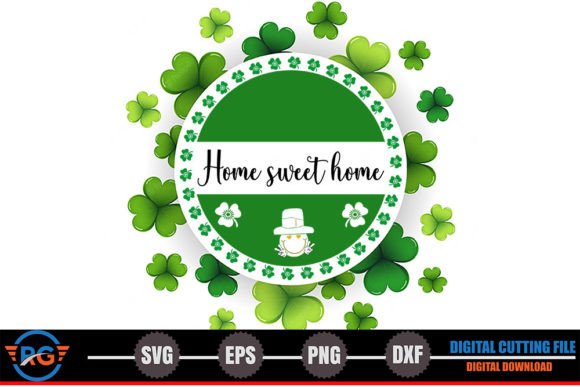
The first impression of Home Sweet Home – SVG is warm and inviting. This graphic design asset exudes a cozy, nostalgic vibe that feels perfect for seasonal promotions, lifestyle content, and small business branding. Its round shape and St. Patrick's Day theme suggest a casual, approachable brand tone—ideal for handmade products, local events, or community-focused campaigns.
Mood and Emotional Tone
Home Sweet Home – SVG creates a sense of comfort and familiarity. The soft curves and simple design elements make it feel like a friendly greeting rather than a hard sell. This emotional tone can be powerful in marketing visuals where the goal is to build trust and connection with the audience. It works well for brands that want to communicate a sense of home, tradition, or celebration without being too flashy or overwhelming.
For content creators and marketers, this design asset offers a way to add visual warmth to campaigns. Whether used in social media graphics, email banners, or blog headers, it brings a consistent and recognizable look that aligns with a lifestyle or artisanal brand identity.
Practical Use in Marketing Campaigns
Home Sweet Home – SVG is a versatile digital product that fits into multiple stages of a marketing workflow. From brand identity to packaging design, this asset can serve as a key visual element that reinforces a cohesive look across all platforms.
- Brand Identity: Use it as a logo element or background accent to create a unified brand aesthetic.
- Packaging Design: Add it to product labels or packaging inserts for a touch of personality and visual interest.
- Social Media Graphics: Incorporate it into Instagram posts, Pinterest pins, or Facebook ads to catch attention without cluttering the design.
- Editorial Design: Include it in blog graphics, website headers, or content kits to enhance readability and engagement.
- Digital Ads: Use it as a hero graphic or banner to support ad copy and drive conversions.
This SVG design also works well as a Canva template or printable design, making it accessible for users who may not have advanced design skills. Its editable and color-changeable features allow for quick customization to match different brand palettes or campaign themes.
Supporting Marketing Goals
Home Sweet Home – SVG helps achieve several key marketing objectives. Its clean lines and balanced composition contribute to a strong visual hierarchy, ensuring that the main message remains clear and prominent. This is especially important in digital ads, where the goal is to capture attention quickly and convey a message effectively.
By using this design asset consistently across different channels, brands can build stronger recognition and recall. It also enhances audience trust by presenting a professional and polished appearance, which is crucial for small business branding and commercial design projects.
Moreover, its ability to create an emotional connection with the audience makes it a valuable tool for content marketing. Whether promoting a seasonal offer or launching a new product, the warm and inviting nature of Home Sweet Home – SVG can help set the right tone and encourage engagement.
Best Use Cases
This design asset shines in scenarios where visual appeal and simplicity are key. It’s ideal for:
- Hero Graphics: As a focal point on landing pages or campaign headers.
- Product Launch Visuals: To introduce new items with a fresh and appealing look.
- Branded Templates: For creating consistent social media covers or email templates.
- Promotional Banners: To highlight seasonal offers or special events.
- Editorial Layouts: In magazines, newsletters, or blog posts that require a friendly and engaging design.
It also works well as a decorative brand element, adding a personal touch to merchandise, stickers, or event flyers without overpowering the overall design.
Use with Caution
While Home Sweet Home – SVG is a great design asset, it may not be suitable for every type of project. Avoid using it in:
- Formal Corporate Branding: Where a more minimalist or high-end look is required.
- Dense Information Layouts: That could make the design feel cluttered or unprofessional.
- Small Mobile Graphics: Where the details might not scale well or become hard to read.
- Low-Contrast Backgrounds: Which could make the design blend in rather than stand out.
- Text-Heavy Ads: Where the main message needs to be the focus, not the graphic.
It’s also important to consider how it pairs with different font styles. Testing it against serif, sans serif, script, handwritten, and display fonts can help determine the best visual balance for a specific campaign.
Designer Notes and Best Practices
As a brand designer and content marketer, here are some practical tips for working with Home Sweet Home – SVG:
- Test with Brand Colors: Ensure the design fits within your existing color palette and doesn’t clash with other elements.
- Check Black and White Usage: Verify that the design looks good in monochrome, especially for print or low-color environments.
- Preview on Mobile Screens: Make sure it scales well and remains readable on smaller devices.
- Compare with Competitors: Assess how it stacks up against similar design assets in the creative marketplace.
- Confirm Commercial License: Always check the licensing terms before using it in paid campaigns, client work, or business branding.
By following these steps, you can ensure that Home Sweet Home – SVG enhances your campaign visuals without compromising professionalism or clarity.
Conclusion: A Strong Addition to Your Design Toolkit
Home Sweet Home – SVG is a thoughtful and functional graphic design asset that can elevate a wide range of marketing efforts. Its warm and inviting style makes it ideal for small business branding, seasonal promotions, and lifestyle content. With its editable and color-changeable features, it offers flexibility for different campaigns and audiences.
Whether you're building a content kit, designing packaging inserts, or preparing a digital campaign, this SVG design provides a reliable and visually appealing option. By understanding its strengths and limitations, you can use it strategically to create engaging, professional, and memorable marketing visuals.